
Visualization techniques can make goal setting and achievement much more effective. By using mental imagery and clear intention, I can shape my motivation, improve focus, and even boost my confidence along the way. If you’re looking for new ways to push forward on your personal or professional goals, visualization is worth exploring.
In this guide, I’ll explain how visualization works, what research says about it, practical steps for beginners, and how to overcome common challenges when using visualization techniques.
Why Use Visualization for Goal Achievement?
Visualization is more than just thinking positive thoughts. It involves mentally picturing myself achieving a specific outcome as vividly as possible. This mental rehearsal activates many of the same neural pathways used when actually performing the task.
Many elite athletes, performers, and professionals use visualization to prepare for important events. It helps reduce anxiety, improve clarity, and build a stronger sense of readiness.
A study published in the journal Frontiers in Psychology highlighted how imagery practice can support both mental and physical performance, even in high-pressure environments. When I create mental images of my goals, I’m essentially rehearsing success, which can make it easier to carry out the real-world steps.
So how can visualization help you reach your goals?
Visualization helps you reach your goals by mentally rehearsing success. When you imagine yourself completing tasks, overcoming challenges, and achieving your desired outcome, your brain becomes more prepared for real-life action. This can boost confidence, improve focus, and strengthen motivation, making it easier to take consistent steps toward your goals.
Visualization also turns goals from abstract ideas into vivid experiences, making them feel more real and achievable.
Understanding the Basics: What Is Visualization?
Visualization, also known as mental imagery, is the practice of using your imagination to picture an event, outcome, or process in detail.
The key is to engage multiple senses when visualizing. For example, if I visualize achieving a fitness goal, I might imagine the environment around me, the sounds I hear, how my body feels, and the emotions I experience.
So is it a good idea to visualize your goals?
Yes, visualizing your goals can be very beneficial when combined with real effort and planning. Visualization helps clarify what success looks like and prepares your mind to deal with obstacles. It also strengthens motivation because imagining success creates a stronger emotional connection to the goal you want to achieve.
There are two main types of visualization techniques commonly used:
Outcome Visualization
This technique focuses on picturing the final result I want to achieve. For example, I might imagine getting a promotion at work and experiencing the excitement and satisfaction of reaching that goal.
Process Visualization
Process visualization focuses on the steps needed to achieve the goal. I imagine studying regularly, solving problems, and staying motivated through challenges.
Using both approaches together often works best. Outcome visualization keeps the end goal clear, while process visualization keeps daily progress on track.
So, what are some examples of visualization techniques?
Common visualization techniques include outcome visualization, process visualization, guided visualization, multi-sensory visualization, and vision boards. Outcome visualization focuses on the final success, while process visualization focuses on the steps needed to reach the goal. Vision boards use images and words to represent goals visually, while guided visualization uses audio instructions to help guide your imagination.
Getting Started with Visualization Techniques
Visualization is a skill that anyone can learn. You don’t need special training or tools to get started.
What are the 5 steps to perform visualization?
The five basic steps of visualization are:
- Choose a clear and specific goal.
2. Find a quiet place where you can relax and focus.
3. Close your eyes and imagine the goal as clearly as possible.
4. Engage your emotions and senses to make the image vivid.
5. Repeat the visualization regularly to reinforce the mental picture.
To put these steps into practice, here’s a simple routine you can follow:
Choose a Specific Goal
Pick something meaningful and measurable, such as completing a project, improving your grades, or running a 5K.
Find a Quiet Space
Minimizing distractions helps you concentrate and create clearer mental images.
Relax and Breathe
Taking slow, deep breaths calms your mind and prepares you for visualization.
Create a Detailed Mental Scene
Imagine yourself working toward and achieving your goal. Include as many details as possible.
Feel the Emotions
Picture the pride, excitement, or relief you’ll feel when you reach your goal.
Repeat Daily
Even a few minutes of daily visualization can help strengthen motivation and focus.
Writing down your visualization in a journal can also make the process more powerful and structured.
Common Challenges When Using Visualization
Sticking with new habits is not always easy. I’ve run into a few challenges while using visualization, and I’ve found some solutions that work for me.
- Difficulty Focusing: Sometimes my mind wanders, or I can’t create clear images. When that happens, starting with short, guided visualizations or using calming background music can help bring my attention back.
- Negative Self-Talk: Doubts or negative thoughts can pop up. I remind myself that it’s normal, and I gently bring my focus back to the positive outcome I want. If needed, I swap negative scenes for positive ones until I feel more confident.
- Lack of Time: Visualization doesn’t need to take long. Even a few minutes is helpful. I sometimes link the habit to something I already do daily, like brushing my teeth or winding down before sleep.
- Feeling Silly or Self-Conscious: Visualization is a private exercise, and it’s okay if it feels strange at first. If I stick with it, it starts to feel more natural and effective.
Difficulty Focusing
When new to visualization, my mind can drift or go blank. Guided visualizations, which are audio recordings that walk me through each step, work well here. There are plenty of free resources online, including on YouTube and meditation apps. Practicing with my eyes open and looking at a vision board or relevant images can also help reinforce my mental picture.
Negative Self-Talk
Sometimes I catch myself worrying that I can’t reach my goals even as I try to focus on them. When doubtful thoughts come up, I try to acknowledge them without judgment and refocus on my desired outcome. Some people find that adding positive affirmations—short, encouraging phrases—helps keep confidence high.
Lack of Time
Fitting visualization into a busy day takes a bit of creativity. I use “micro-visualizations” during quick breaks, at stoplights, or while waiting in line. Repeating my visualization for just one or two minutes can still help me stay connected with my goals.
Feeling Silly or Self-Conscious
I remind myself that visualization is backed by research and used by people in all kinds of high-performing industries. Keeping a journal to track my progress and experiences with visualization makes it easier to notice patterns and growth over time.
These common challenges are normal and easy to handle with practice and patience. The benefits become more noticeable with consistent use. If a particular method doesn’t fit, I try mixing things up or reaching out to others for new ideas. Sometimes, having an accountability partner helps keep the practice going.
Advanced Visualization Strategies
Once I’m comfortable with the basics, a few advanced strategies can make the process even more helpful. Here are some techniques I find useful:
Multi-sensory Visualization: Engaging more senses in my mental imagery makes the experience more meaningful. Instead of just seeing the scene, I ask myself how things sound, smell, taste, and feel. Why This Matters: More senses mean a more realistic “dress rehearsal” for my brain, which can lead to stronger confidence and motivation.
Visualization with Affirmations: Combining visualization with short, supportive affirmations like “I am capable” or “I keep moving forward” helps replace self-doubt with encouragement. Why This Matters: Combining mental pictures with positive words creates a stronger mental association, making it easier to believe in myself when situations get tough.
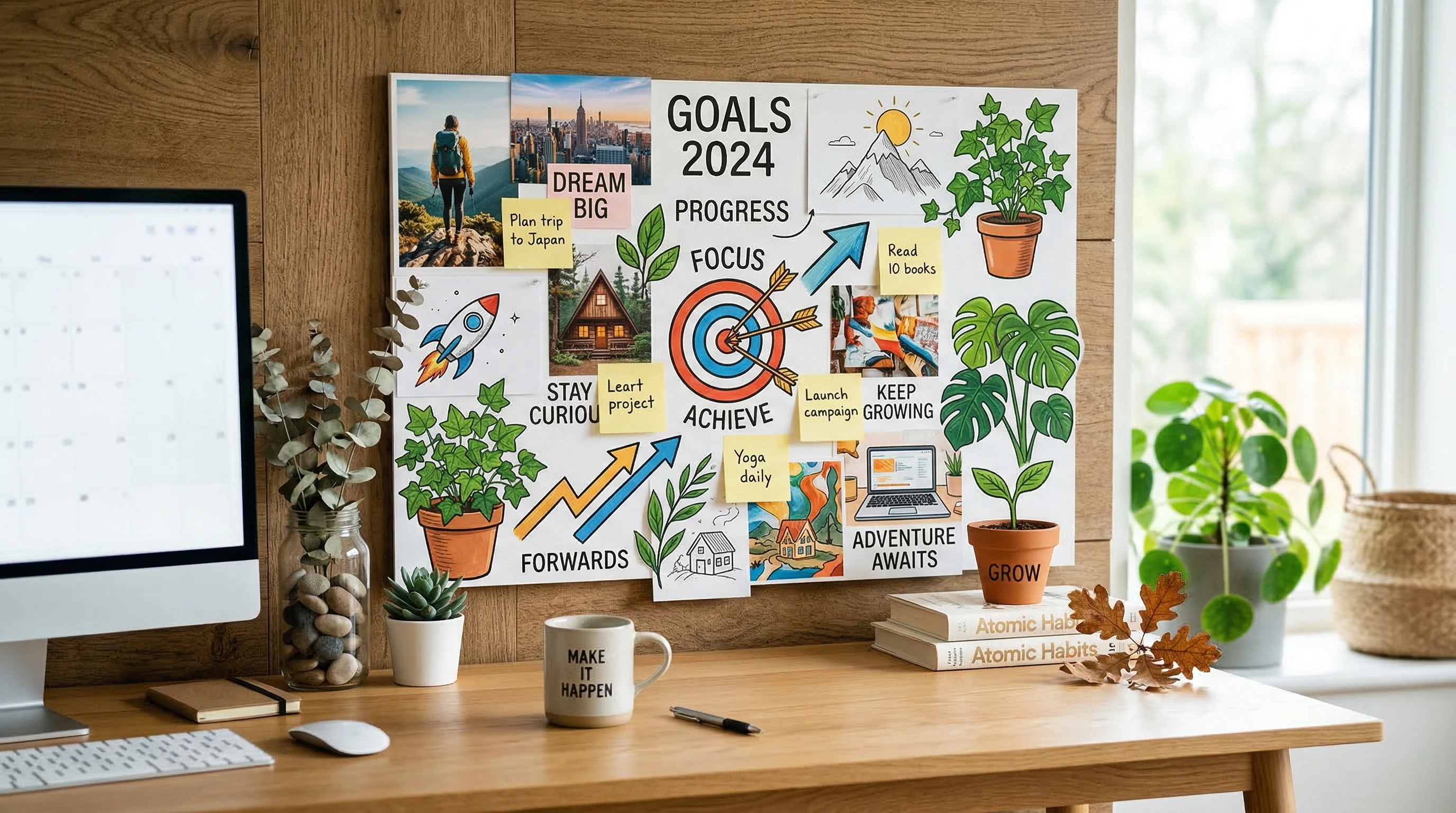
Vision Boards: Creating a physical or digital collage of images that represent my goals helps keep visualization concrete. I keep my board somewhere visible, so I’m reminded of my goals often. Why This Matters: Regular visual reminders help anchor motivation and make it easier to stay on track, especially during setbacks.
Mixing and matching these strategies gives me plenty of options to keep visualization both effective and interesting over time. Notes, calendars, or even phone reminders can keep things fresh and help me check in with my progress. Some people use mobile apps to organize their vision boards or schedule short visualization sessions, adding modern convenience to the practice.
Practical Uses for Visualization in Everyday Life
Visualization techniques can be used for all kinds of goals, big and small. I’ve seen benefits in a few real world scenarios:
- Academic Achievement: Before big exams, picturing myself calmly completing the test and recalling material makes studying feel more approachable and reduces test anxiety. Sometimes, reviewing class notes while visualizing success sets a positive mood for learning.
- Sports and Fitness: By visualizing specific athletic skills or desired fitness results, I stay motivated to train and recover from setbacks. Even imagining each step of a workout routine can make it easier to stick to my plan.
- Career Advancement: Seeing myself presenting confidently at meetings or taking on new projects helps reduce anxiety and improve performance. Creating a mental script of handling questions with ease is especially helpful.
- Personal Development: Visualization supports goals like learning a new language, building healthy habits, or improving relationships. By picturing myself practicing new habits, I nudge myself closer to lasting change.
- Creative Projects: Visualizing the completion of artwork, writing, or design projects can provide motivation and direction. It helps me figure out which steps to focus on first, so I can avoid creative blocks.
Adding visualization to these areas helps me feel more prepared and motivated, even when progress is slow or obstacles come up. Over time, this mental practice can build resilience and a stronger belief in what I can achieve.
Frequently Asked Questions
Here are common questions about using visualization for goal setting and achievement:
Question: How long does visualization take to work?
Answer: Most people notice benefits like improved focus or motivation within a few weeks if they practice regularly. The more I use it, the more natural and helpful it becomes.
Question: Can visualization replace actual effort and planning?
Answer: Visualization works best when used alongside practical action. It helps me stay focused and motivated, but real progress comes from consistent steps toward my goals.
Question: What if I can’t create clear images in my mind?
Answer: That’s okay. I focus on other senses or on emotions instead. Even just thinking about the feeling of achieving my goal can be very powerful.
In conclusion
Using visualization techniques is a practical way to boost my chances of reaching any goal. By creating clear mental pictures, I keep myself motivated and ready for whatever comes next. With patience, consistency, and a little creativity, these strategies work for goals of any size, whether that’s for school, work, health, or personal growth.
Trying out these techniques could offer a new perspective and an extra edge for anyone looking to turn dreams into reality, one step at a time. Checking in with progress, mixing in some creativity, and reaching out for support when needed can all make the adventure smoother and more rewarding.